Why It's Important to Replace Missing Teeth Salem, OR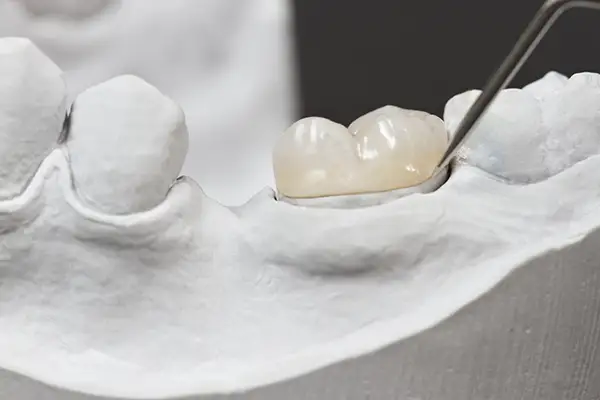 A missing tooth rarely stays a small problem for long. What begins as a single gap can gradually affect the way you chew, speak, and even how the rest of your teeth are positioned. At Shull Family Dentistry, patients in the Salem area often come to us after losing a tooth to injury, decay, or a dental condition, unsure of what their next step should be. The good news is that modern dentistry offers several reliable ways to replace a missing tooth, and understanding why replacement matters is the first step toward protecting your long-term oral health. A missing tooth rarely stays a small problem for long. What begins as a single gap can gradually affect the way you chew, speak, and even how the rest of your teeth are positioned. At Shull Family Dentistry, patients in the Salem area often come to us after losing a tooth to injury, decay, or a dental condition, unsure of what their next step should be. The good news is that modern dentistry offers several reliable ways to replace a missing tooth, and understanding why replacement matters is the first step toward protecting your long-term oral health. Reasons for Tooth LossTooth loss can happen at any age and for a variety of reasons. Untreated tooth decay is one of the most common causes, as a cavity that reaches the inner layers of a tooth can eventually destroy enough structure that the tooth can no longer be saved. Gum disease is another leading factor, since the infection gradually breaks down the bone and connective tissue that hold teeth in place. Trauma from a fall, sports injury, or car accident can knock a tooth out or damage it beyond repair, while teeth grinding and chronic clenching can wear teeth down or crack them over time. Some patients lose teeth due to extensive dental work on a tooth that has already been weakened by prior fillings or root canal treatment. Regardless of the cause, once a tooth is gone, the space it leaves behind does not remain neutral. Nearby teeth, the jawbone, and the bite all begin to respond to the change, which is why our dental team encourages patients not to delay in exploring replacement options. What Happens if Teeth Aren't Replaced?Leaving a gap unaddressed sets off a chain of changes in the mouth, some of which are not obvious until they have already progressed. Bone Loss in the JawThe jawbone relies on stimulation from tooth roots to stay strong and dense. Once a tooth is missing, the bone beneath that space is no longer stimulated and begins to shrink over time. This process, known as resorption, can change the shape of the jaw and face and may make future restorations more difficult to place. Shifting and Tilting TeethTeeth depend on their neighbors for support and stability. When a gap is left open, surrounding teeth can begin to drift, tilt, or shift into the empty space. This movement can throw off the alignment of the entire bite and create new gaps elsewhere in the smile. Bite and Jaw ProblemsAs teeth shift and the bite changes, some patients begin to experience uneven pressure when chewing. This can lead to strain on the jaw joints and surrounding muscles, and in some cases contributes to ongoing jaw discomfort or headaches. Difficulty Chewing and SpeakingMissing teeth, especially several in a row, can make it harder to bite into and chew certain foods comfortably. Some patients also notice changes in speech, since teeth play an important role in forming certain sounds. Changes in Facial AppearanceBecause the jawbone and facial muscles are supported in part by the teeth, significant tooth loss can eventually lead to a sunken or aged appearance in the lower face. How Missing Teeth Are ReplacedFortunately, there are several effective restorations available to replace missing teeth, each suited to different needs and situations. Dental ImplantsA dental implant replaces the entire tooth structure, including the root, by placing a small titanium post into the jawbone that fuses with the bone over time. A custom-made crown is then attached on top, creating a replacement tooth that looks, feels, and functions much like a natural one. Implants also help preserve the jawbone since they provide the stimulation the bone needs. Fixed Dental BridgesA fixed bridge replaces one or more missing teeth by anchoring a replacement tooth, or teeth, to the natural teeth on either side of the gap. The adjacent teeth are prepared to support crowns, which hold the bridge securely in place. Partial DenturesFor patients missing several teeth in different areas of the mouth, a removable partial denture can restore function and appearance. Partial dentures are custom-fitted and attach to existing teeth with clasps or connectors, allowing them to be taken out for cleaning. Full DenturesWhen all teeth in an arch are missing, a full denture can be created to replace them. Full dentures rest on the gums and are designed to restore a natural-looking smile along with the ability to chew and speak comfortably. Implant-Supported DenturesFor added stability, dentures can be secured to a series of dental implants rather than resting on the gums alone. This option reduces slipping and helps maintain jawbone health while still offering the convenience of a removable restoration. When Should Teeth Be Replaced?In most cases, it's best to replace a missing tooth as soon as possible. Waiting allows the surrounding teeth and jawbone to begin changing, which can complicate treatment and sometimes require additional procedures, such as bone grafting, before a restoration can be placed. Patients who have lost a tooth due to an accident, extraction, or advanced decay should schedule an evaluation with our dental team soon after the tooth is gone. Even if a gap does not seem to be causing problems yet, an evaluation can help determine whether early intervention would prevent more significant issues down the road. Every patient's situation is different, and our dentist can recommend the timing and restoration that best fits individual oral health needs. Restore Your Smile With Our Salem Dental TeamMissing teeth affect far more than appearance, and addressing them sooner rather than later can help protect your bite, your jawbone, and your overall oral health. If you're missing one or more teeth, our dental team at Shull Family Dentistry is here to walk you through your options and help you choose the restoration that's right for you. Contact our Salem office today at 503-362-5019 to schedule a consultation and take the next step toward a complete, healthy smile. |
 |
