What Are Dental Crowns?
Salem, OR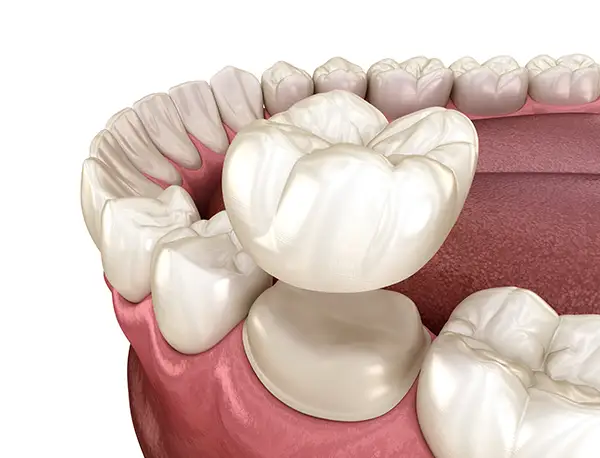 A strong, healthy smile depends on more than daily brushing and flossing. Teeth endure years of chewing, temperature changes, and natural wear, and sometimes they need additional protection to maintain their strength and function. When a tooth becomes weakened, damaged, or compromised, a dental crown Dr. Shull at Shull Family Dentistry can provide reliable support while restoring its appearance and performance. Dental crowns are widely used in restorative dentistry because they protect vulnerable teeth, improve oral function, and help preserve natural tooth structure. A strong, healthy smile depends on more than daily brushing and flossing. Teeth endure years of chewing, temperature changes, and natural wear, and sometimes they need additional protection to maintain their strength and function. When a tooth becomes weakened, damaged, or compromised, a dental crown Dr. Shull at Shull Family Dentistry can provide reliable support while restoring its appearance and performance. Dental crowns are widely used in restorative dentistry because they protect vulnerable teeth, improve oral function, and help preserve natural tooth structure.What Are Dental Crowns?A dental crown is a custom-made restoration that covers the entire visible portion of a tooth above the gumline. Often described as a "cap," a crown fits securely over a prepared tooth to restore its shape, size, strength, and appearance. Each crown is carefully designed to match surrounding teeth, ensuring a natural look and comfortable bite. Crowns are designed to blend with natural teeth and can be placed on both front and back teeth. They restore not only the structure of a tooth but also its ability to withstand everyday pressure from chewing and speaking. What Are They Used For?Dental crowns are used when a tooth is too damaged or weakened to be repaired with a simple filling but does not need to be removed. By covering and protecting the remaining structure, a crown allows the tooth to continue functioning normally while preventing further damage. Restoring Damaged TeethOne of the most common uses of dental crowns is restoring teeth that have been significantly damaged. While large cavities are a frequent reason for needing a crown, several other factors can weaken or compromise tooth structure, including:
When a tooth loses a significant amount of its natural structure, it may not be strong enough to support a filling alone. A dental crown reinforces the tooth, helping prevent further fractures while restoring function and appearance. After Root CanalsA root canal procedure removes infected or damaged tissue from inside a tooth to eliminate pain and preserve the natural structure. Although this treatment saves the tooth, it can also make the remaining structure more fragile over time. A dental crown is typically placed after a root canal to protect the treated tooth from breaking. The crown seals the tooth, restores its strength, and allows it to function normally during chewing. Back teeth, which handle greater biting pressure, especially benefit from crown placement after root canal therapy. To Complete Dental ImplantsDental crowns play an essential role in dental implant treatment. A dental implant replaces a missing tooth root, and the crown serves as the visible portion that resembles a natural tooth. Once the implant integrates with the jawbone, a custom crown is attached to complete the restoration. This crown restores the appearance and function of the missing tooth, allowing patients to chew, speak, and smile with confidence. Improving Cosmetic AppearanceDental crowns can also be used for cosmetic purposes. When teeth are severely discolored, misshapen, or uneven, a crown can improve their appearance by creating a more uniform shape and color. Unlike whitening treatments that address surface stains, crowns provide a long-lasting solution for teeth with deep discoloration or structural concerns. They help create a balanced smile while maintaining strength and durability. Supporting Dental BridgesDental crowns are commonly used to support dental bridges, which replace one or more missing teeth. In this treatment, crowns are placed on the teeth adjacent to a gap, anchoring the artificial tooth or teeth between them. These supporting crowns stabilize the bridge and help restore proper chewing function while maintaining alignment of surrounding teeth. Protecting Weak TeethSome teeth may become weakened due to extensive wear, repeated dental procedures, or structural defects. A crown can protect a vulnerable tooth before it fractures or deteriorates further. This preventive use helps maintain long-term oral health by preserving natural tooth structure whenever possible. Materials Used for Dental CrownsDental crowns can be made from several different materials, each offering unique advantages. The choice of material depends on factors such as the tooth's location, functional needs, and desired appearance. Common materials used for dental crowns include:
Each material offers different benefits in terms of durability, appearance, and strength. Our dentist evaluates each patient's needs and recommends the most appropriate option for long-term success. Dental Crown ProcedureStandard CrownsThe traditional dental crown process typically requires two visits. During the first appointment, the tooth is examined and prepared by removing damaged areas and shaping the surface to allow space for the crown. An impression of the tooth is then taken and sent to a dental laboratory, where the custom crown is fabricated. A temporary crown is usually placed to protect the tooth while the permanent restoration is being created. At the second appointment, the temporary crown is removed, and the final crown is carefully fitted and bonded into place. Adjustments are made to ensure proper fit, comfort, and bite alignment. This method allows for precise customization and produces a durable, natural-looking result. Same Day CrownsAdvancements in dental technology have made it possible to place some crowns in a single visit. Same day crowns use digital imaging and computer-assisted design and manufacturing technology to create a custom restoration on-site. During the appointment, a digital scan of the tooth is taken, and specialized software designs the crown. A milling machine then creates the restoration from a ceramic block, allowing it to be placed the same day. Same day crowns eliminate the need for temporary restorations and multiple appointments, while still providing strong and natural-looking results. Restore Your Tooth with a Dental CrownDental crowns offer a reliable solution for protecting and restoring teeth that have been weakened, damaged, or lost. By reinforcing tooth structure, improving function, and enhancing appearance, crowns support long-term oral health and help maintain a confident smile. Whether used to repair a damaged tooth, protect a treated tooth, or complete a restoration, dental crowns provide dependable protection and lasting results. A professional evaluation at Shull Family Dentistry can determine whether a dental crown is the right option for restoring strength, comfort, and function to your smile. Schedule an appointment today by calling 503-362-5019. |
 |
