Types of Dental Crowns
Salem, OR
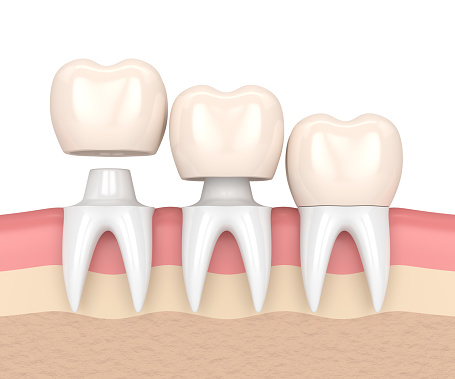
Not every tooth that needs a dental crown is in the same condition, and not every patient has the same goals for their smile. Rather than thinking about dental crowns purely by material, it can help to think about them by situation: what is happening with the tooth, where it sits in the mouth, and what the patient hopes to achieve. Shull Family Dentistry takes this approach when recommending dental restorations, matching the dental crown type to the specific clinical need rather than defaulting to a single standard option.
Restoring a Tooth After a Root Canal
Teeth that have undergone root canal treatment often become more brittle over time since the procedure removes the nerve and blood supply that once nourished the tooth from within. A crown placed after a root canal protects the remaining structure from fracture during normal biting and chewing. For back teeth treated this way, a durable material such as zirconia or a metal alloy is often recommended because these teeth absorb significant force. For front teeth needing a crown after root canal therapy, an all-ceramic option is typically chosen so the repair blends naturally with the smile.
Covering a Dental Implant
When a tooth is missing entirely, a dental implant provides a replacement root anchored in the jawbone, and a crown is attached on top to complete the restoration. Implant crowns need to be carefully shade-matched and shaped to blend with neighboring teeth, since they are meant to look and function like a natural tooth rather than draw attention. Depending on the location of the implant, the dentist may recommend zirconia or a ceramic-based crown, both of which integrate well with the surrounding gum tissue and provide long-term stability.
Protecting a Cracked or Fractured Tooth
A cracked tooth can worsen over time if left unaddressed, sometimes splitting further or becoming a source of ongoing discomfort. A crown stabilizes the tooth by covering it completely and distributing chewing forces evenly across the surface rather than concentrating pressure on the weakened area. For a cracked molar, a strong material capable of withstanding repeated biting force is usually the priority. For a cracked front tooth, appearance becomes a larger factor in material selection alongside strength.
Rebuilding a Tooth with Extensive Decay
When decay has progressed to the point where a filling is no longer sufficient to restore the tooth, a crown may be the more practical solution. Because a large portion of the natural tooth structure may need to be removed before a crown is placed, the remaining tooth requires a restoration that offers full coverage and support. The specific material chosen often depends on how much of the tooth remains and how visible it is when the patient smiles.
Improving the Appearance of a Misshapen or Discolored Tooth
Some patients seek a crown not because of damage but because a tooth is unusually shaped, noticeably discolored, or otherwise inconsistent with the rest of the smile. In these cases, appearance takes priority over sheer strength, and an all-ceramic crown is frequently recommended for its ability to mimic the translucency of natural enamel. This approach allows the crown to blend seamlessly into the smile line while still providing the protective benefits of a full-coverage restoration.
Crowns for Growing Patients
Children sometimes need crowns on primary teeth affected by extensive decay or developmental issues. Since these teeth will eventually be replaced by permanent ones, durability over the short term matters more than long-term aesthetics. A prefabricated crown that can be fitted efficiently in a single visit is often the practical choice for younger patients, minimizing time in the chair while still protecting the tooth until it is naturally lost.
How We Determine the Right Fit
Selecting the right dental crown involves examining the extent of damage, the tooth's role in the bite, its visibility, and the patient's overall oral health goals. Dr. Shull considers all of these factors together rather than applying a one-size-fits-all standard, since a crown that works well for a back molar may not be appropriate for a front tooth, and a solution suited to a child's developing smile differs significantly from what an adult patient needs.
| • |
Root canal-treated teeth often need reinforcement against fracture
|
| • |
Implant crowns are shaped and shade-matched to blend naturally
|
| • |
Cracked teeth benefit from full-coverage stabilization
|
| • |
Extensively decayed teeth may need full crown support rather than a filling
|
| • |
Misshapen or discolored teeth often call for an aesthetic-focused crown
|
| • |
Children typically receive prefabricated crowns on primary teeth |
Schedule Your Consultation Today
Every situation calls for its own approach to crown selection. If you are dealing with a damaged, decayed, or misshapen tooth, Shull Family Dentistry can help determine which type of tooth crown addresses your specific needs. Call 503-362-5019 to schedule a consultation with Dr. Shull.
FAQs
What is a dental crown?
A dental crown is a custom-made restoration that covers and protects a damaged or weakened tooth. At Shull Family Dentistry, our dental team may recommend a crown to restore tooth strength, improve appearance, and help preserve natural tooth structure after decay, fracture, or a large filling.
When might I need a dental crown?
You may need a dental crown if a tooth is cracked, worn down, severely decayed, weakened by a large filling, or restored after root canal treatment. Our dentists will examine the tooth and recommend a crown when it can help protect the tooth and restore comfortable function.
What happens during the dental crown process?
The dental crown process usually begins with preparing the tooth and taking impressions or digital scans. A custom crown is then made to fit your bite and smile. Once ready, our dental team will place the crown, check the fit, and make any needed adjustments for comfort.
Can a dental crown improve the appearance of my smile?
Yes. A dental crown can improve the shape, color, size, and overall appearance of a tooth while also restoring function. Crowns are often designed to blend with surrounding teeth for a natural-looking result.
How do I care for a dental crown?
You can care for a dental crown by brushing and flossing daily, cleaning carefully around the gumline, and visiting Shull Family Dentistry for routine dental exams. Avoiding habits such as chewing ice or using teeth as tools can also help protect your crown and natural teeth. |

