Placing Dental Crowns
Salem, OR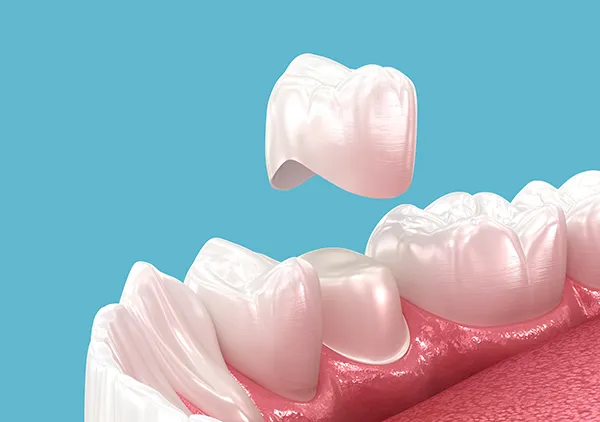 When Dr. Shull recommends a dental crown, knowing what to expect during the placement process can help you feel more confident and prepared. At Shull Family Dentistry we believe that understanding each step of the procedure helps our patients feel at ease and makes for a smoother experience overall. The crown placement process typically involves two visits, though same-day options may be available depending on your specific situation and needs. When Dr. Shull recommends a dental crown, knowing what to expect during the placement process can help you feel more confident and prepared. At Shull Family Dentistry we believe that understanding each step of the procedure helps our patients feel at ease and makes for a smoother experience overall. The crown placement process typically involves two visits, though same-day options may be available depending on your specific situation and needs.Your Initial Consultation And AssessmentBefore placing a crown, we conduct a thorough examination of the affected tooth and surrounding structures. We take digital X-rays to evaluate the tooth roots and the bone underneath, checking for any signs of decay, infection, or other issues that need to be addressed first. If we detect infection or significant decay, we may need to perform a root canal treatment before proceeding with the crown. This examination also helps us determine which type of crown material will work best for your tooth, based on location, your bite pattern, and your aesthetic preferences. During this visit, we will discuss your treatment options and answer any questions you have about the procedure. We will also review your medical history and any medications you're taking, as certain health conditions or medications can affect healing and the placement process. If you experience dental anxiety, we will talk about sedation options that can help you stay comfortable throughout the procedure. Preparing The Tooth For Your CrownThe first step in the actual placement process involves preparing your tooth to receive the crown. We begin by administering local anesthesia to ensure you remain comfortable throughout the procedure. Once the area is numb, we reshape the tooth by removing a portion of the outer enamel. The amount we remove depends on the thickness of the crown material we're using, typically between one and two millimeters all around the tooth and across the chewing surface. For teeth that have extensive decay or damage, we may need to build up the tooth structure first using filling material. This creates a solid foundation for the crown to sit on. The goal is to create a stable base with enough structure to support the crown while ensuring the crown fits naturally with your other teeth. We shape the tooth carefully, creating a slight taper that allows the crown to slip on securely while ensuring we preserve as much healthy tooth structure as possible. Taking Accurate ImpressionsAfter preparing your tooth, we take detailed impressions of your teeth and bite. Many modern dental offices, including ours, use digital scanning technology that captures highly accurate three-dimensional images of your teeth without the need for traditional impression materials. If we use traditional impressions, we place a tray filled with impression material over your teeth and have you bite down gently until the material sets. These impressions serve as the blueprint for creating your custom crown. We also record the shade of your surrounding teeth to ensure your new crown matches naturally, particularly important for crowns on visible front teeth. The impressions capture not just the prepared tooth, but also your opposing teeth and how they come together when you bite. This information goes to the dental laboratory, where skilled technicians craft your permanent crown to precise specifications. Temporary Crown ProtectionWhile your permanent crown is being fabricated at the lab, which typically takes two to three weeks, we place a temporary crown over your prepared tooth. This temporary restoration serves several important functions. It protects the prepared tooth from sensitivity and damage, maintains the space for your permanent crown, and allows you to chew relatively normally while you wait. Temporary crowns are designed to be removed easily, so we use temporary cement that holds them in place but allows us to take them off without difficulty at your next appointment. Because temporary crowns are more fragile than permanent ones, we recommend avoiding sticky or hard foods on that side of your mouth. If your temporary crown comes loose or falls off before your next appointment, contact our office right away so we can recement it and keep your tooth protected. Placing Your Permanent CrownWhen your permanent crown returns from the lab, you will come back to our Salem office for the final placement. We begin by removing the temporary crown and thoroughly cleaning the prepared tooth. Next, we try on the permanent crown to check the fit, bite, and color. We want to ensure the crown sits flush with your gum line, doesn't interfere with your bite, and matches your surrounding teeth aesthetically. If any adjustments are needed, we make them at this appointment. We may need to reshape the crown slightly to perfect the fit or adjust the contact points where the crown meets adjacent teeth. Once we're satisfied with the fit and you're comfortable with how it looks and feels, we proceed with permanent cementation. We apply dental cement to the inside of the crown and carefully position it over your prepared tooth. You bite down to help seat the crown properly, and we remove any excess cement from around the margins. We then use a special light to cure the cement if we're using light-activated materials, creating a strong, lasting bond between your tooth and the crown. Adjusting To Your New CrownAfter placement, your new crown may feel slightly different at first. Your tongue is remarkably sensitive to changes in your mouth, and you'll likely notice the new crown for a few days. This is completely normal. As you eat and speak over the next week or so, the crown will feel more natural and become a seamless part of your smile. Some patients experience minor sensitivity to hot or cold temperatures for a few days after crown placement. This sensitivity typically resolves on its own as the tooth and surrounding tissues adjust. If sensitivity persists beyond a few weeks or if you experience pain when biting down, contact our office so we can evaluate the crown and make any necessary adjustments. Caring For Your Crowned ToothOnce your dental crown is in place, it requires the same care as your natural teeth. Brush twice daily, floss around the crown carefully, and maintain your regular dental checkups and cleanings. While crowns are durable and designed to last many years, they need proper care to achieve their full lifespan. Pay special attention to the area where the crown meets your gum line, as this junction can accumulate plaque if not cleaned properly. If you have questions about the crown placement process or you're ready to schedule your consultation, our Salem dental team is here to help. We will walk you through each step of the process and ensure you understand what to expect at every appointment. Contact Shull Family Dentistry today at 503-362-5019 to learn more about how dental crowns can restore your tooth's function and appearance. |
 |
